How to Write Better AI Prompts, It's Not the Model (Updated)
Your AI results aren't worse because of the model. Learn how to write better AI prompts using context, examples and the small habits that change everything.

Something shifted last year. Google stopped being the first stop, and it wasn't a decision, just a drift. AI was consistently giving better results for the work that actually fills a day, writing, researching, planning, until weeks had passed without a search tab open. The kind of change you only notice when you stop to look.
This isn't a story about switching tools. It's about why most people are optimising the wrong thing when they use AI.
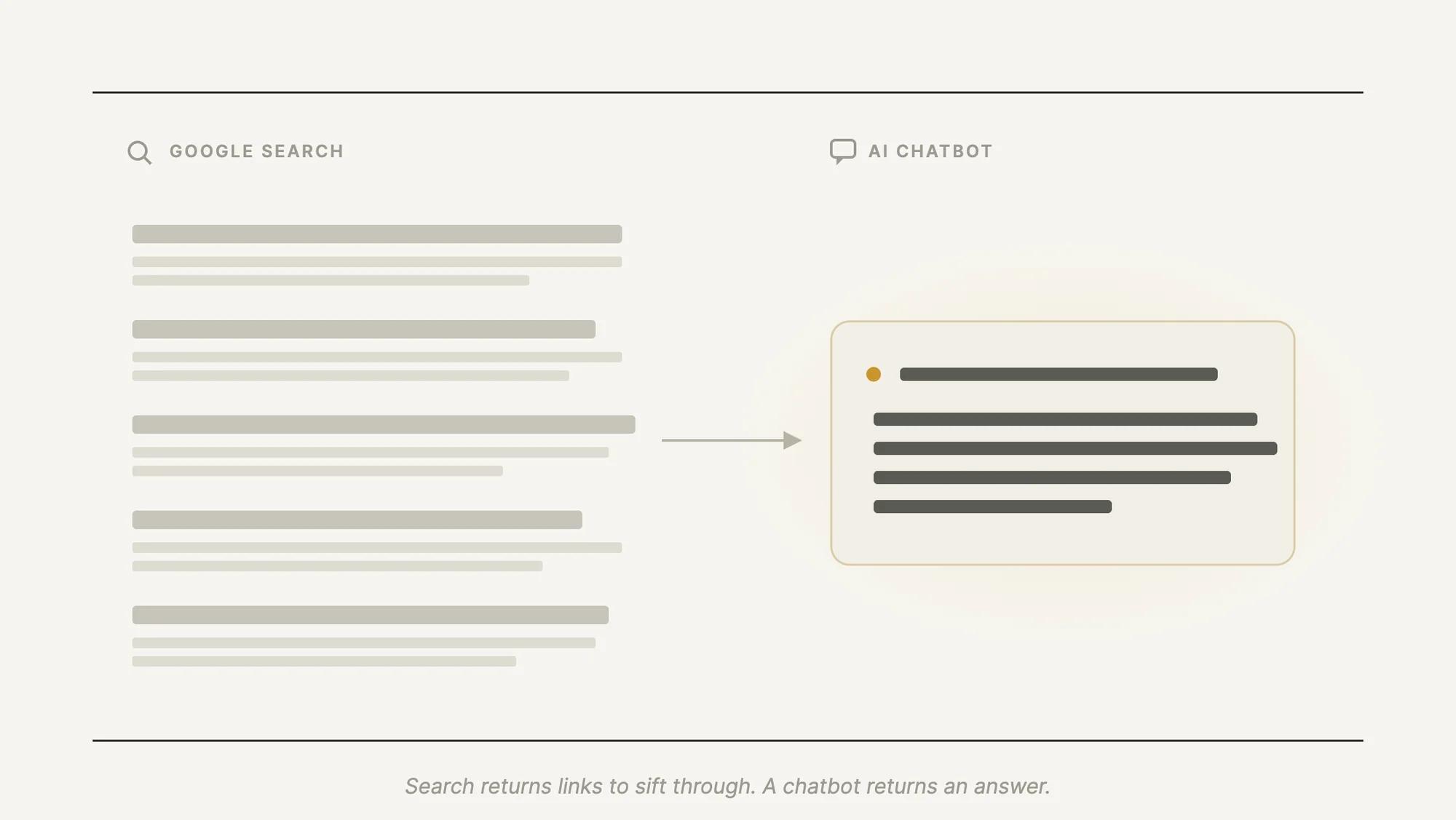
Everyone is talking about which model to use. Claude versus GPT versus Gemini. Which tier. Which subscription. Nobody is talking about the actual skill. The thing that determines whether you get a useful answer or a useless one is not the model. It is how you ask.
The Model Is Not the Problem
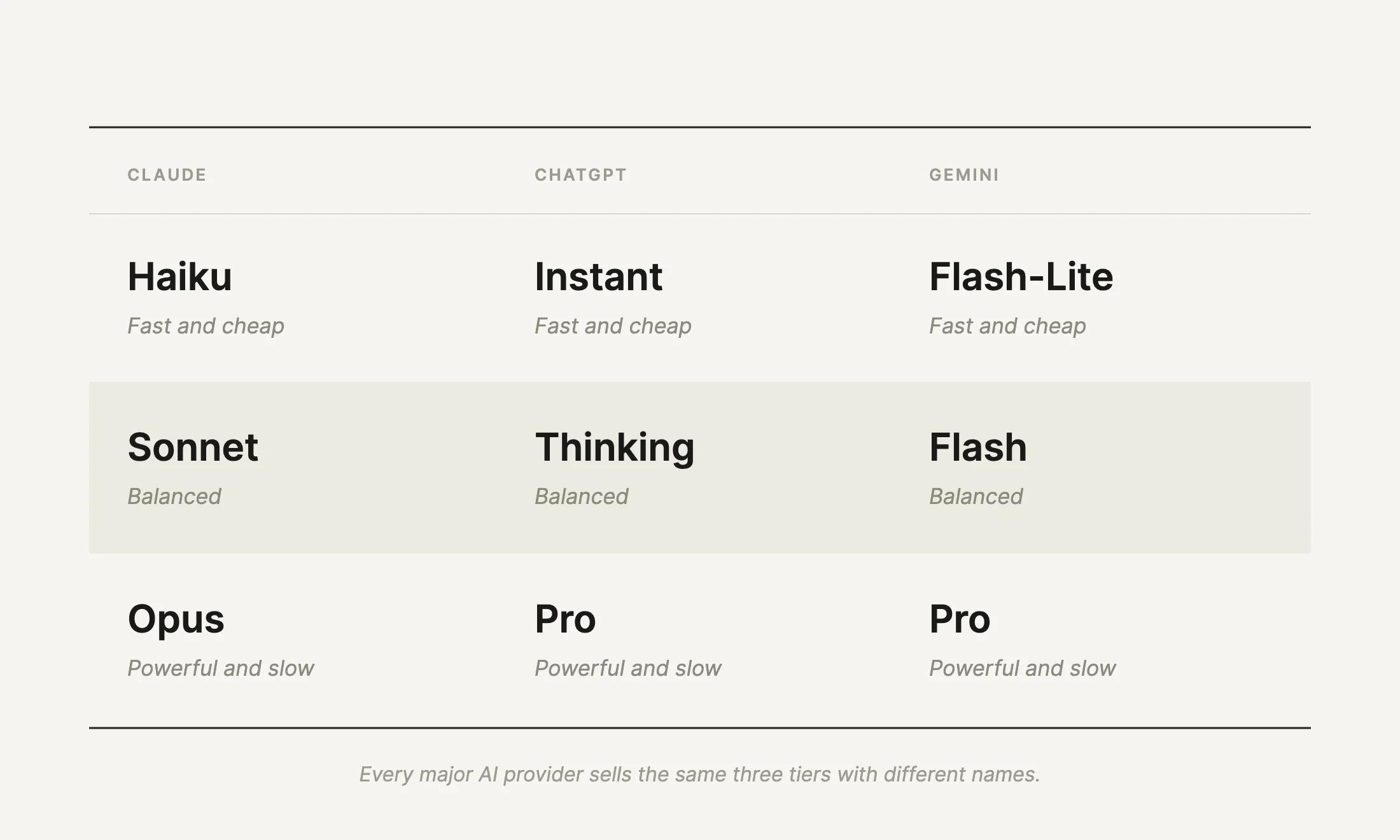
Every major AI company sells the same three tiers with different names: fast and cheap, balanced, powerful and slow. The badges on the front change every few months. The logic underneath doesn't.
Here is what the model discourse misses: a well-prompted older model beats a badly-prompted new one. Every time. The same model given a vague instruction and given a properly constructed brief produces outputs so different they do not look like the same tool.
Most people ask vaguely, get something vague back, decide AI is not that useful, and go back to Googling. That sequence happens thousands of times a day. The model was never the problem.
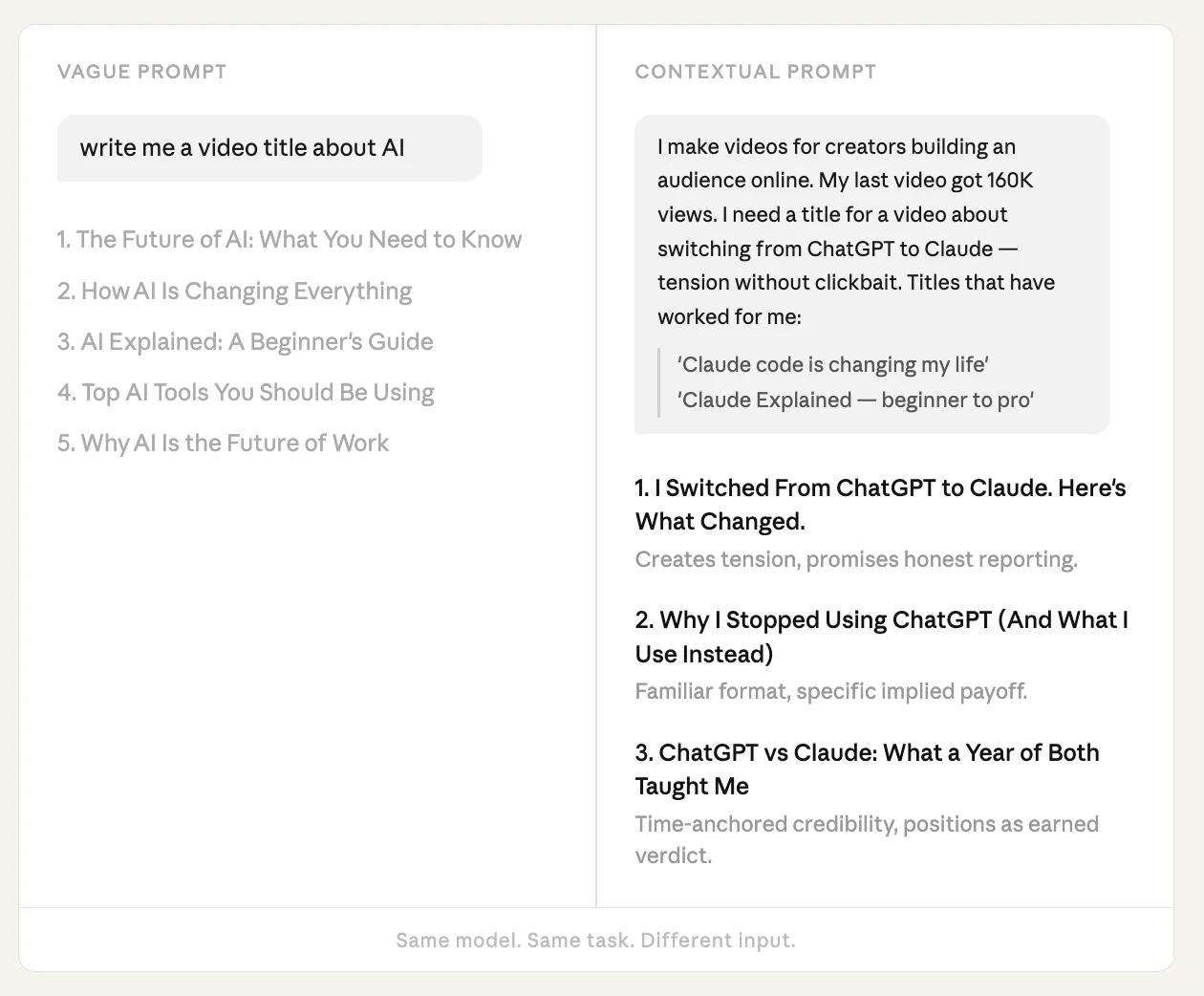
Run this experiment. Type "write me a video title about AI" into any model. Read the output. Then run the same request with full context: what the channel covers, who the audience is, what has performed well, and two or three examples of titles that actually worked. Same model. The difference is not subtle. The point makes itself without explanation.
The upgrade that actually matters is not in your subscription settings.
Five Things That Actually Change Results
1. Give context before the task. "Write a video title" is a command, not a brief. It contains no information about the channel, the audience, what has worked before, or what this particular title needs to do. So the model guesses. The guess is always generic.